Signs Commercial Brick or Stone Mortar Needs Tuckpointing
Signs commercial brick or stone mortar needs tuckpointing indicate deteriorating mortar joints, and local contractors can restore stability and appearance through expert tuckpointing services.
Property owners in the area who notice issues with their brick or stone facades might be exploring options like tuckpointing to maintain the integrity and appearance of their buildings. Recognizing signs commercial brick or stone mortar needs tuckpointing early can prevent more costly repairs down the line, helping preserve the structural stability and aesthetic appeal of the property. Whether dealing with crumbling mortar, visible cracks, or deteriorating joints, understanding when to seek professional assistance ensures that the work is done effectively and efficiently.
For those facing these concerns, connecting with experienced local contractors who specialize in brick and stone tuckpointing offers a practical solution. These service providers can assess the condition of the mortar and recommend appropriate repairs, helping property owners protect their investment. Keep reading to learn more about common signs that indicate a need for tuckpointing and how local experts can support maintaining the durability and beauty of brick or stone structures.
- Signs commercial brick or stone mortar needs tuckpointing - building owners may notice deteriorating mortar joints that require professional tuckpointing to restore structural integrity.
- Signs commercial brick or stone mortar needs tuckpointing - property managers seeking to maintain the appearance and safety of their facades often turn to local contractors for expert tuckpointing services.
- Signs commercial brick or stone mortar needs tuckpointing - when mortar joints show cracking or crumbling, local pros can assess and perform tuckpointing to prevent further damage.
- Signs commercial brick or stone mortar needs tuckpointing - businesses experiencing water infiltration or moisture issues might need tuckpointing to seal and protect their brick or stone surfaces.
- Signs commercial brick or stone mortar needs tuckpointing - architects or contractors planning facade repairs often consult with local service providers to handle tuckpointing for brick or stone structures.
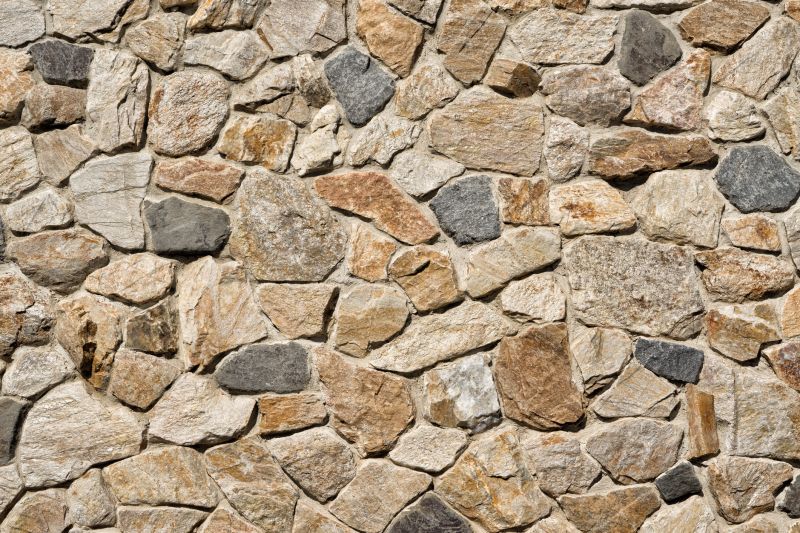
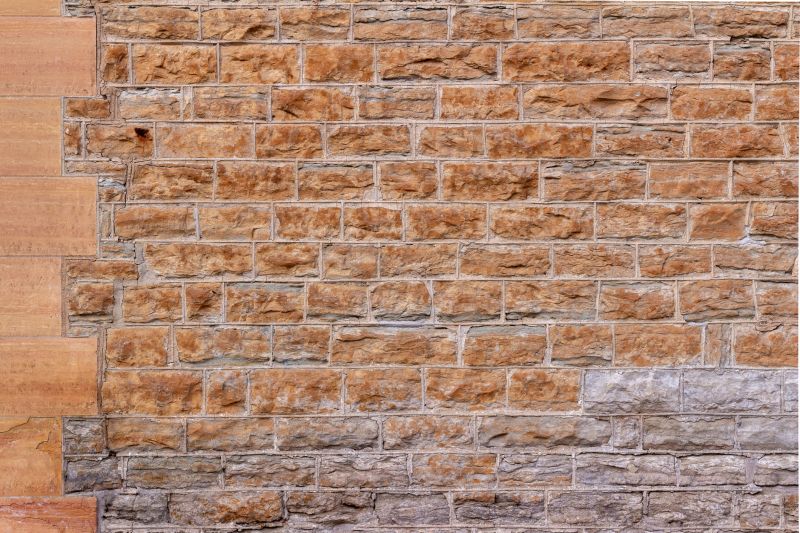
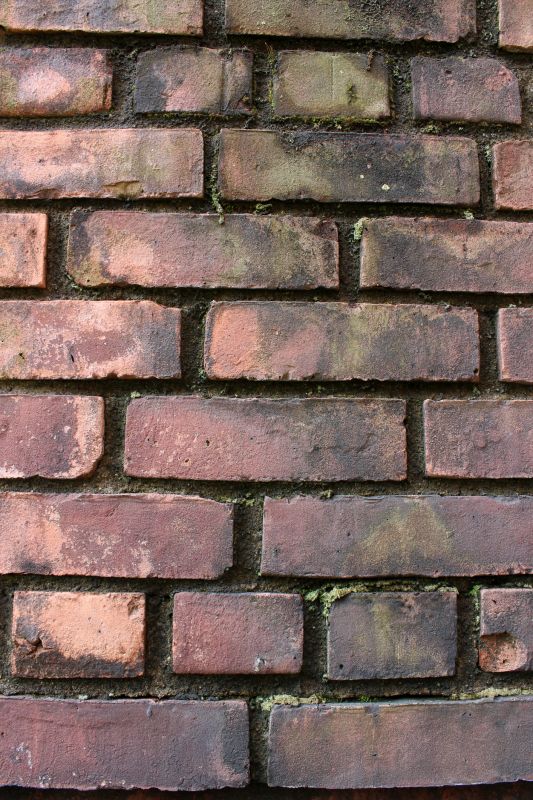
When people search for signs commercial brick or stone mortar needs tuckpointing, they are typically noticing visible issues with the mortar joints that hold bricks or stones together. These signs often include crumbling, cracking, or missing mortar, as well as discoloration or unevenness in the joints. Such indications suggest that the mortar has deteriorated over time, which can compromise the structural integrity and appearance of the masonry. Recognizing these signs early can help property owners prevent more extensive damage and maintain the stability of their building’s exterior.
Tuckpointing is a process that involves repairing and restoring mortar joints to improve both the look and strength of brick or stone walls. When mortar begins to break down, it can lead to gaps, water infiltration, and even structural issues if left unaddressed. Property owners may seek tuckpointing services when planning maintenance or renovations, or after noticing signs of mortar deterioration. Local contractors specializing in brick and stone repair can assess the condition of the mortar, identify areas needing attention, and perform the necessary work to extend the lifespan of the masonry.
The types of properties that often require tuckpointing include commercial buildings, such as office complexes, retail stores, and warehouses, as well as historic structures and apartment complexes. Many commercial properties feature brick or stone facades that are exposed to the elements, making them susceptible to mortar damage over time. Additionally, older buildings with original masonry work may need tuckpointing to preserve their character and prevent further deterioration. Homeowners with brick or stone exteriors may also encounter similar issues, especially on chimneys, foundations, or decorative walls, prompting them to seek professional tuckpointing services.
Local brick and stone tuckpointing service providers play a vital role in addressing these issues by offering expert repair work tailored to the specific needs of each property. They evaluate the mortar condition, recommend appropriate solutions, and perform the necessary repairs to restore the masonry’s appearance and durability. Connecting with experienced local contractors ensures that the work is done efficiently and correctly, helping property owners protect their investment and maintain the structural integrity of their buildings. Whether for routine maintenance or urgent repairs, these professionals are equipped to handle a variety of masonry restoration projects.
Historical Building Restoration - professionals experienced in restoring historic brick and stone structures often perform tuckpointing to preserve the integrity and appearance of aged masonry.
Chimney Repair and Restoration - local contractors skilled in masonry work can address mortar deterioration in chimneys, ensuring safety and functionality.
Fireplace Masonry Services - experts who work on fireplace surrounds and mantels often handle tuckpointing to maintain structural stability and aesthetic appeal.
Stone Wall Construction and Repair - masons specializing in stone walls may perform tuckpointing to repair and reinforce joints for durability and visual consistency.
Commercial Building Facade Maintenance - service providers experienced in commercial facades can address mortar needs to improve exterior appearance and prevent damage.
Brick Paving and Walkway Restoration - contractors working on brick pathways often perform tuckpointing to ensure long-lasting joints and safe surfaces.
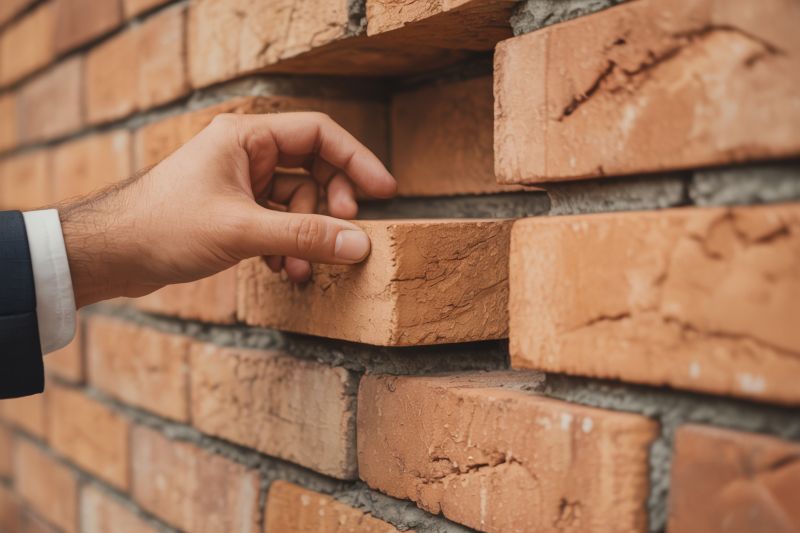
When evaluating contractors for signs commercial brick or stone mortar needs tuckpointing, it is essential to consider their experience with similar projects. An experienced service provider will have a proven track record of working with brick and stone structures, understanding the nuances of different materials, and addressing common issues that arise during tuckpointing. Homeowners should inquire about the types of projects a contractor has completed, especially those involving commercial or historic masonry, to ensure they possess the practical knowledge necessary for a quality job.
Clear written expectations are vital when comparing local contractors for tuckpointing services. A reputable service provider will be able to outline the scope of work, materials to be used, and the process involved in restoring mortar joints. Having these details in writing helps prevent misunderstandings and ensures that homeowners are aligned with the contractor’s approach. It also provides a reference point for evaluating proposals and making informed decisions based on the scope and quality of the work proposed.
Reputable references and effective communication are key indicators of a reliable contractor. Homeowners should seek out service providers who can provide references from past clients with similar projects. Listening to feedback about the contractor’s professionalism, punctuality, and ability to communicate clearly can make a significant difference in the overall experience. Good communication ensures that any questions or concerns are addressed promptly, and that the project progresses smoothly from start to finish, ultimately leading to a successful outcome for signs commercial brick or stone mortar needs tuckpointing.
Property owners often search for signs commercial brick or stone mortar needs tuckpointing when they are planning practical projects around their homes and businesses. Local pros provide Brick or Stone Tuckpointing services for everyday jobs and straightforward project options.
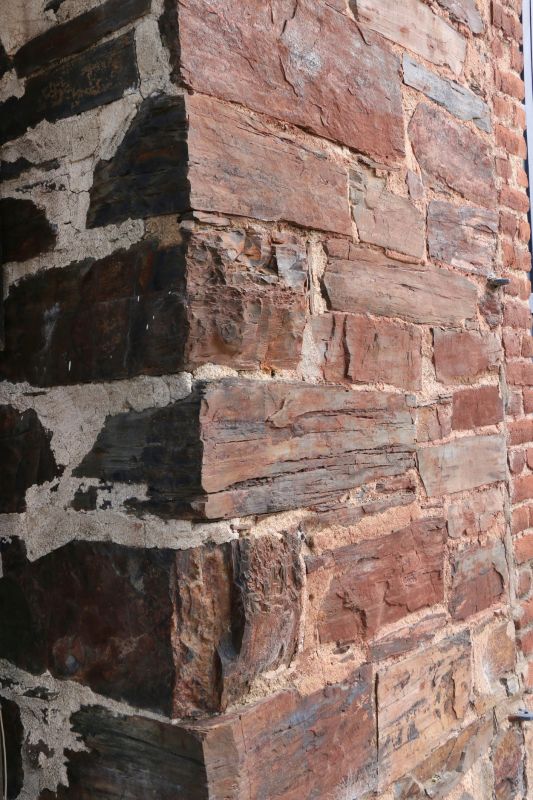
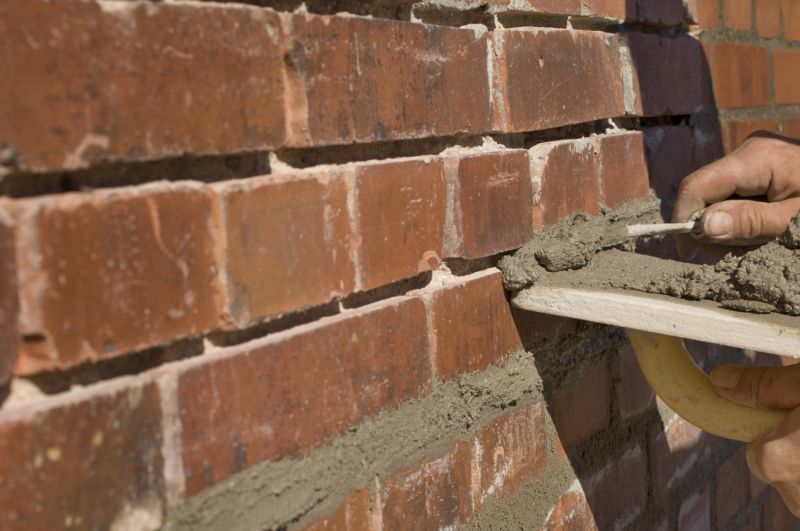
Property owners noticing cracks, crumbling mortar, or deteriorated joints on their brick or stone exteriors may find themselves researching signs commercial brick or stone mortar needs tuckpointing. These issues can develop over time due to weather exposure, settling, or general wear and tear, potentially compromising the structural integrity and appearance of a building. When such signs appear, many turn to local contractors who specialize in tuckpointing services to assess the condition of the mortar and determine if repairs are necessary to restore stability and curb appeal.
In addition to visible damage, property owners might consider tuckpointing services if they observe mortar that is discolored, loose, or uneven, which can be early indicators of underlying problems. Regular inspections can help identify these issues before they worsen, prompting property owners to seek out experienced service providers capable of performing the needed repairs. Local brick and stone contractors can provide the expertise to address these concerns, helping to maintain the longevity and safety of the building’s exterior.
What are common signs that commercial brick or stone mortar needs tuckpointing? Visible cracks, missing mortar, crumbling joints, or water infiltration are typical indicators that tuckpointing may be necessary to maintain the integrity of brick or stone structures.
How can I tell if the mortar between bricks or stones is deteriorating? Signs include mortar that appears loose, powdery, or has significant gaps, as well as mortar that is cracked or shows signs of erosion upon close inspection.
Why is it important to address signs of mortar deterioration on a commercial building? Promptly addressing mortar issues helps prevent structural damage, water damage, and costly repairs down the line, ensuring the stability of the brick or stonework.
What role do local contractors play in tuckpointing for commercial properties? Local contractors assess the condition of mortar, recommend necessary repairs, and perform tuckpointing to restore the appearance and stability of brick or stone surfaces.
Are there specific signs that indicate tuckpointing is needed on brick or stone facades? Yes, signs include visible cracks, missing mortar, spalling, and areas where mortar has fallen out, indicating the need for professional tuckpointing services.
Identify cracked or crumbling mortar - Recognizing visible damage on brick or stone surfaces can help property owners determine when tuckpointing services are needed to maintain structural integrity.
Observe deteriorating joints or gaps - Noticing widening or missing mortar joints can indicate the need for professional tuckpointing to prevent further damage.
Check for water infiltration or staining - Signs of moisture penetration or staining on walls may suggest mortar needs repair to improve weather resistance.
Assess overall appearance for uneven or loose mortar - An uneven or loose mortar surface can be a practical indicator that tuckpointing from local contractors could restore the wall’s stability and look.
If you are thinking about signs commercial brick or stone mortar needs tuckpointing for a property, this guide is meant to help you understand this topic, the typical project types, and how different options might fit your plans.
When you are ready, you can use the quote form on this page to share a few details about your project. From there, local pros can review the basics and follow up with options that match what you have in mind.