How Tuckpointing Helps Prevent Structural Damage in Commercial Properties
Commercial tuckpointing professionals can help protect your property by repairing mortar joints, preventing water infiltration, and avoiding structural damage in commercial buildings.
If you own or manage a commercial property, understanding how tuckpointing helps prevent structural damage is essential for maintaining the integrity of your building. Over time, mortar joints can weaken due to weather exposure, settling, or age, creating vulnerabilities that may lead to more serious issues like water intrusion or brick deterioration. Exploring this topic can reveal practical ways to protect your investment and ensure your property remains safe and visually appealing. Local contractors specializing in commercial tuckpointing are equipped to assess your property's needs and provide solutions that reinforce the structure’s stability.
Continuing to learn about the benefits of tuckpointing can help property owners make informed decisions about maintenance and repairs. Properly executed tuckpointing not only enhances the appearance of a building but also acts as a proactive measure against potential damage caused by compromised mortar joints. By connecting with experienced service providers, property owners can find tailored solutions that preserve their building’s strength and longevity. Keep reading to discover how professional tuckpointing services contribute to the ongoing preservation of commercial properties in the area.
- Commercial buildings with cracked or deteriorating mortar may require tuckpointing to prevent further structural issues. Local contractors evaluate the condition of brickwork and carefully remove damaged mortar before applying new tuckpointing to reinforce the structure. Buildings experiencing water infiltration or freeze-thaw damage benefit from tuckpointing to maintain wall integrity. Commercial properties with aging or weathered brickwork often seek tuckpointing services to prevent moisture penetration and related damage. When signs of mortar erosion or brick movement appear, service providers can perform tuckpointing to help preserve the building’s stability.
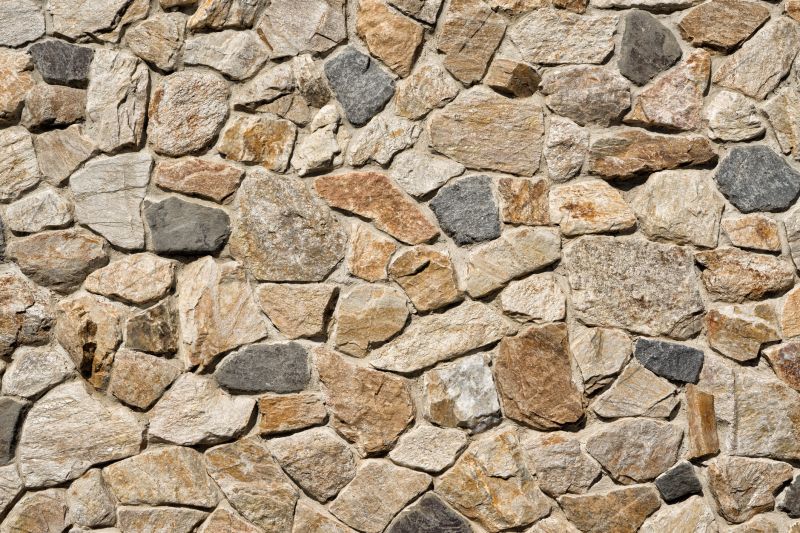
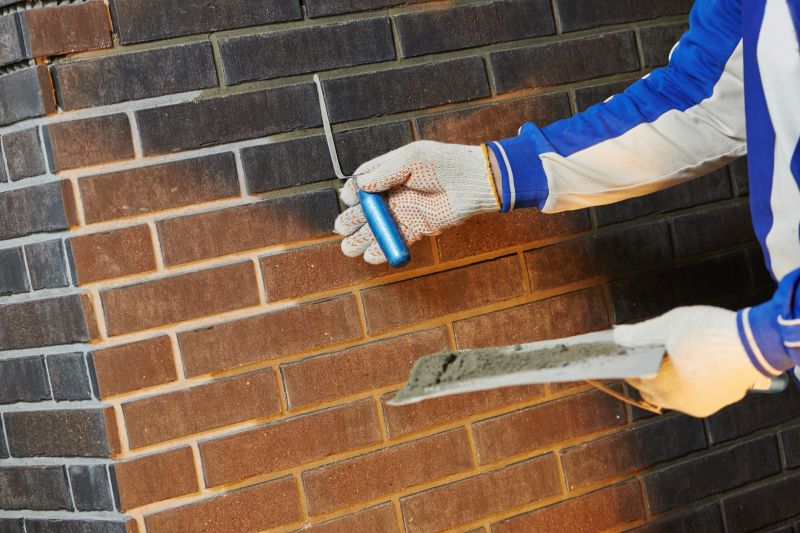
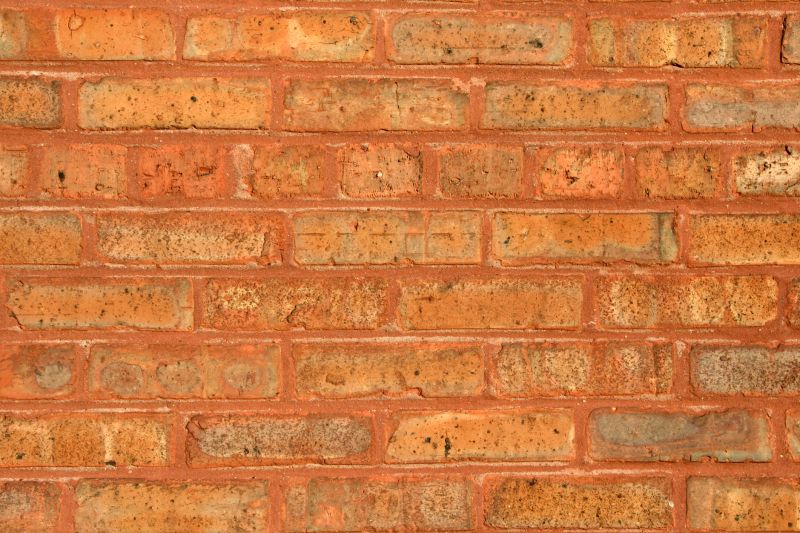
When people search for how tuckpointing helps prevent structural damage in commercial properties, they are typically interested in understanding how this masonry repair technique can protect their buildings from long-term issues. Tuckpointing involves removing deteriorated mortar and replacing it with fresh material, which helps maintain the integrity of brick and stone facades. This process is often associated with preserving the structural stability of a building’s exterior, preventing problems like water infiltration, brick spalling, and foundation weakening. Property owners and managers look for ways to extend the lifespan of their commercial structures and avoid costly repairs, making tuckpointing a practical solution to address visible damage and underlying vulnerabilities.
The problems that relate to how tuckpointing helps prevent structural damage in commercial properties usually involve mortar deterioration caused by weather exposure, age, or poor initial installation. When mortar joints weaken or crack, they create openings that allow moisture to penetrate the wall system. Over time, this moisture can lead to internal structural issues, including wood rot, rusting of metal components, and even foundation settlement if water infiltrates beneath the building. Many property plans include regular inspections and maintenance to catch these issues early. Tuckpointing is a proactive approach to repair and reinforce mortar joints, helping to prevent these problems from escalating into major structural failures.
Commercial properties that typically come up in discussions about tuckpointing include office buildings, retail centers, warehouses, and multi-unit apartment complexes. These structures often feature brick or stone exteriors that are exposed to the elements year-round. Over time, the mortar between bricks can become cracked, crumbling, or eroded, especially in regions with harsh weather conditions. Property owners of these types of buildings recognize the importance of maintaining the exterior facade not only for aesthetic reasons but also for structural safety. Local service providers specializing in commercial tuckpointing can assess the condition of these properties, recommend appropriate repairs, and help restore the mortar joints to prevent further damage.
Understanding how tuckpointing fits into the maintenance and repair plans of commercial properties highlights its role in long-term structural health. Local contractors that specialize in commercial tuckpointing bring expertise in restoring mortar joints, which in turn helps prevent water intrusion, brick displacement, and deterioration of load-bearing elements. These professionals can evaluate the specific needs of a property, develop targeted repair strategies, and ensure the exterior remains durable and stable. For property owners and managers, connecting with experienced local service providers ensures that tuckpointing work is performed correctly, supporting the overall safety and longevity of their commercial buildings.
Masonry Repair Projects - These projects involve restoring and reinforcing brick, stone, or concrete structures, utilizing skills similar to tuckpointing to prevent water infiltration and structural deterioration in commercial buildings.
Facade Restoration - Restoring building exteriors requires expertise in masonry and surface preparation, which aligns with the techniques used in tuckpointing to maintain the integrity of commercial facades.
Brickwork Replacement - Replacing damaged or deteriorated bricks demands precision and knowledge of mortar matching, paralleling the skills needed for effective tuckpointing to prevent damage.
Mortar Joint Repointing - This process involves renewing mortar joints to improve stability and weather resistance, closely related to tuckpointing’s role in structural preservation for commercial properties.
Structural Reinforcement Projects - These projects focus on strengthening load-bearing elements, often requiring masonry skills similar to those used in tuckpointing to prevent future damage.
Waterproofing and Sealant Applications - Applying sealants to masonry surfaces helps protect against water intrusion, complementing tuckpointing efforts to maintain building integrity and prevent damage.
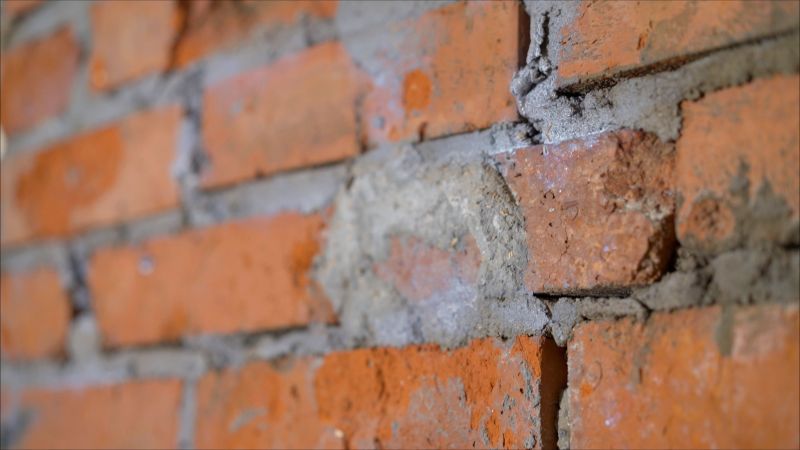
When evaluating commercial tuckpointing services, it is important to consider the experience of local contractors with similar projects. An experienced service provider will have a proven track record of working on properties with comparable brickwork and structural considerations. This background can provide confidence that they understand the specific challenges associated with tuckpointing in commercial settings and are equipped to address issues effectively. Asking for examples of past work or references related to projects of similar scope can help gauge their familiarity with the unique requirements of commercial properties and their ability to deliver quality results.
Clear, written expectations are essential when comparing local pros for tuckpointing services. A detailed scope of work, including the extent of tuckpointing, materials to be used, and the process involved, helps ensure that both parties are aligned on project goals. Service providers who communicate their approach transparently and provide comprehensive estimates can help prevent misunderstandings later on. Having this information in writing also makes it easier to compare different contractors objectively and select the one who best meets the specific needs of the property.
Reputable references and effective communication are key factors when choosing a contractor for tuckpointing work. Reliable service providers should be able to provide references from previous clients, ideally those with similar commercial properties, to demonstrate their credibility. Good communication throughout the process-such as responsiveness to questions, clarity in explanations, and updates on project progress-fosters trust and helps ensure the work proceeds smoothly. These qualities can contribute to a successful project outcome, ultimately helping to prevent structural damage by ensuring the tuckpointing is performed correctly and thoroughly.
Property owners often search for how tuckpointing helps prevent structural damage in commercial properties when they are planning practical projects around their homes and businesses. Local pros provide Commercial Tuckpointing services for everyday jobs and straightforward project options.
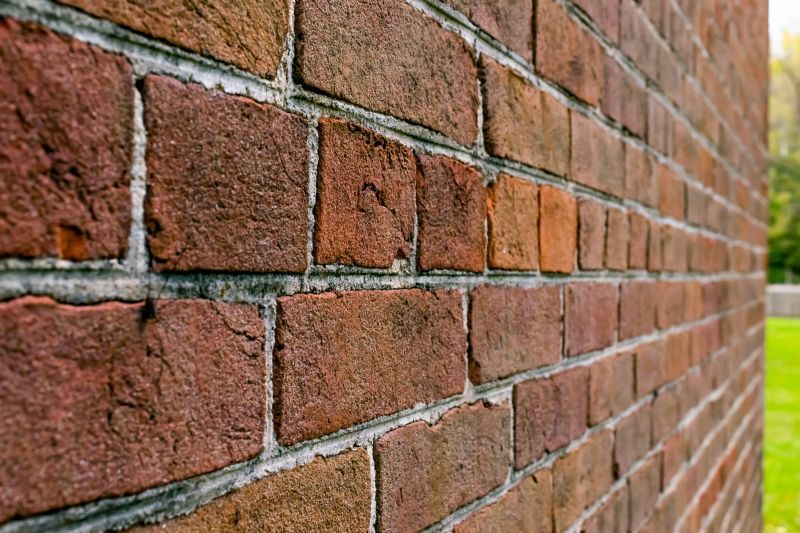
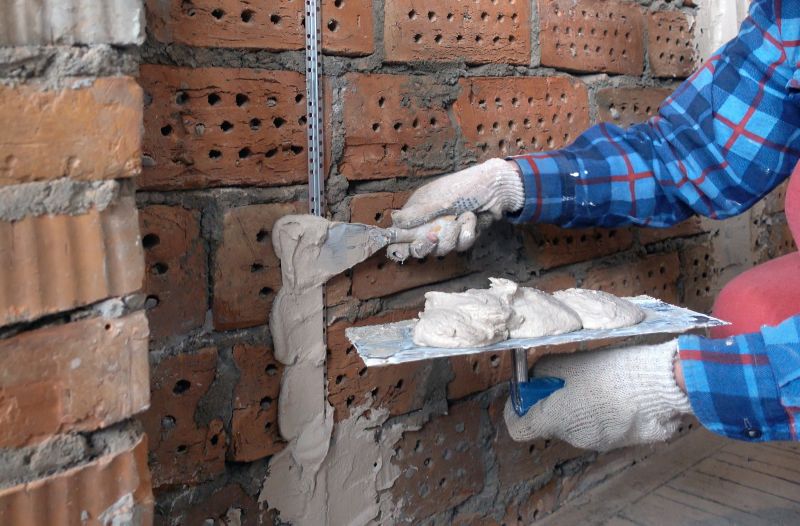
In many commercial properties, the appearance and integrity of brickwork are vital for both safety and curb appeal. Over time, weather exposure and general wear can cause mortar joints to deteriorate, creating vulnerabilities in the building’s structure. Tuckpointing services offered by local contractors focus on restoring these mortar joints, which helps prevent issues like water infiltration, cracking, or shifting that could lead to more serious structural damage. Property owners often look into tuckpointing as a practical way to maintain the stability and visual appeal of their buildings without extensive renovations.
For those managing commercial properties, understanding how tuckpointing helps prevent structural damage is essential for long-term maintenance planning. When performed by experienced local service providers, tuckpointing can reinforce the building’s exterior, reducing the risk of water leaks and structural weakening caused by compromised mortar. Regular inspections and timely repairs ensure that the brickwork remains sound, helping property owners avoid costly repairs down the line. Connecting with local contractors who specialize in tuckpointing can be a straightforward step toward safeguarding the durability of commercial properties.
How does tuckpointing help prevent structural damage in commercial properties? Tuckpointing repairs deteriorated mortar joints, preventing water infiltration and structural weakening that can lead to more serious damage over time.
Why is maintaining mortar joints important for the stability of commercial buildings? Properly maintained mortar joints ensure the integrity of the masonry, reducing the risk of cracks, spalling, and potential structural failure.
How can local contractors assist with tuckpointing to protect a commercial property's structure? Local contractors can assess the condition of mortar joints, perform necessary repairs, and help ensure the building remains structurally sound by preventing water and environmental damage.
What are signs that a commercial property might need tuckpointing to avoid structural issues? Visible cracks, crumbling mortar, and water stains on the walls are common signs that tuckpointing may be needed to prevent further structural damage.
In what ways does professional tuckpointing contribute to the long-term durability of commercial buildings? Professional tuckpointing restores mortar joints, reduces water intrusion, and helps maintain the building’s overall stability, extending its lifespan and preventing costly repairs.
Assessing masonry damage - property owners can schedule inspections with local contractors to identify cracks or deterioration that may lead to structural issues if left unaddressed.
Scheduling tuckpointing repairs - timely tuckpointing projects can restore mortar joints, preventing water infiltration that causes internal damage and weakening of the structure.
Implementing routine maintenance - regular tuckpointing touch-ups by local service providers help maintain the integrity of brickwork and prevent costly repairs later.
Choosing durable mortar mixes - consulting with local pros about appropriate mortar options ensures long-lasting repairs that resist weathering and structural stress.
If you are thinking about how tuckpointing helps prevent structural damage in commercial properties for a property, this guide is meant to help you understand this topic, the typical project types, and how different options might fit your plans.
When you are ready, you can use the quote form on this page to share a few details about your project. From there, local pros can review the basics and follow up with options that match what you have in mind.