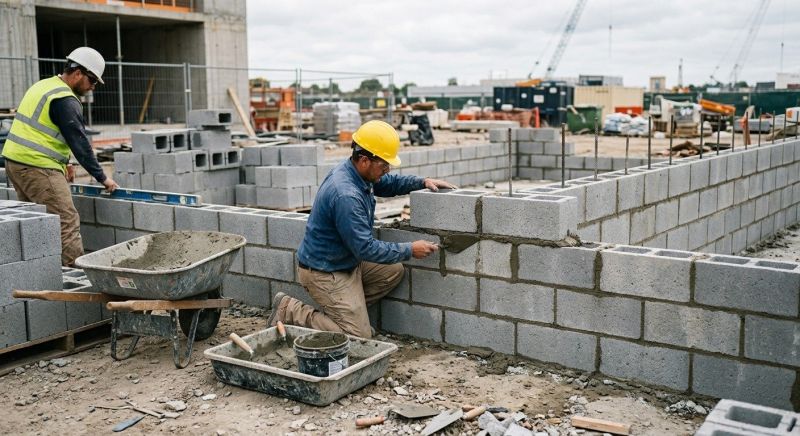
Masonry Wall Installation in Boston, MA
Masonry wall installation services involve constructing durable and attractive walls using materials such as brick, stone, or concrete blocks. These projects often include building retaining walls, garden walls, boundary fences, or decorative features that enhance the property's appearance and functionality. Homeowners typically request this service when they want to define outdoor spaces, improve privacy, or add structural support to areas prone to soil movement or erosion. Understanding the different types of materials, styles, and the overall scope of the project helps property owners make informed decisions before requesting installation.
Before proceeding with masonry wall installation, property owners should consider factors such as the intended purpose of the wall, property boundaries, and local regulations or permits that may be required. It's also helpful to evaluate the landscape and soil conditions, as these can influence the choice of materials and construction methods. Clear communication about design preferences, budget, and maintenance expectations can ensure the project aligns with the property's needs and aesthetic goals. Proper planning and understanding of these elements contribute to a successful and lasting installation.
Many property owners in Boston, MA look into Masonry Wall Installation for repairs, replacements, upgrades, and appearance-related improvements.
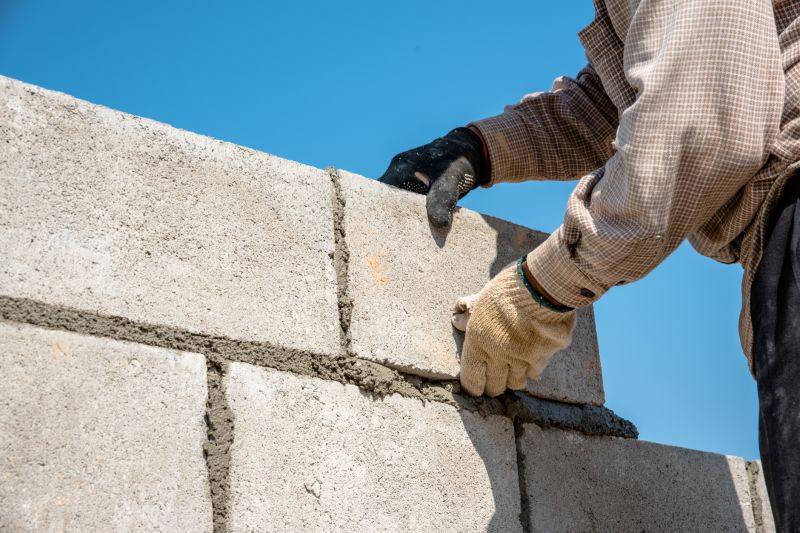
Types Of Masonry Walls
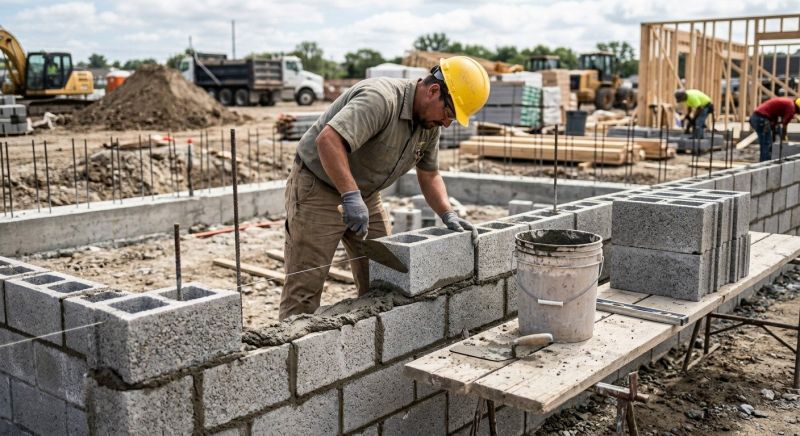
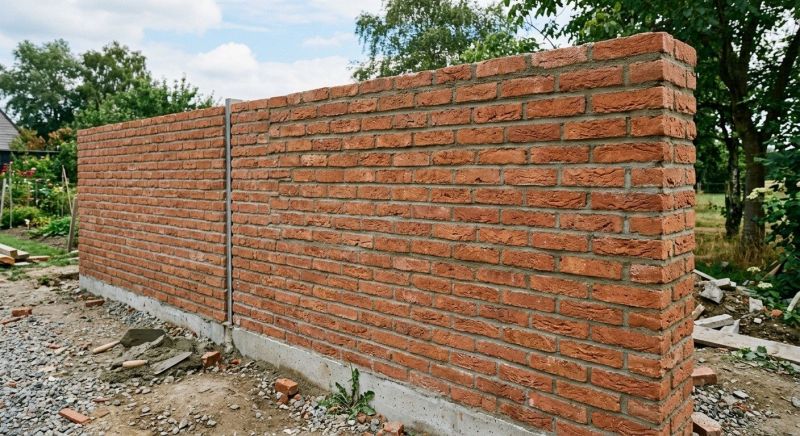
Masonry wall installation can include brick, stone, or concrete blocks for various property needs.
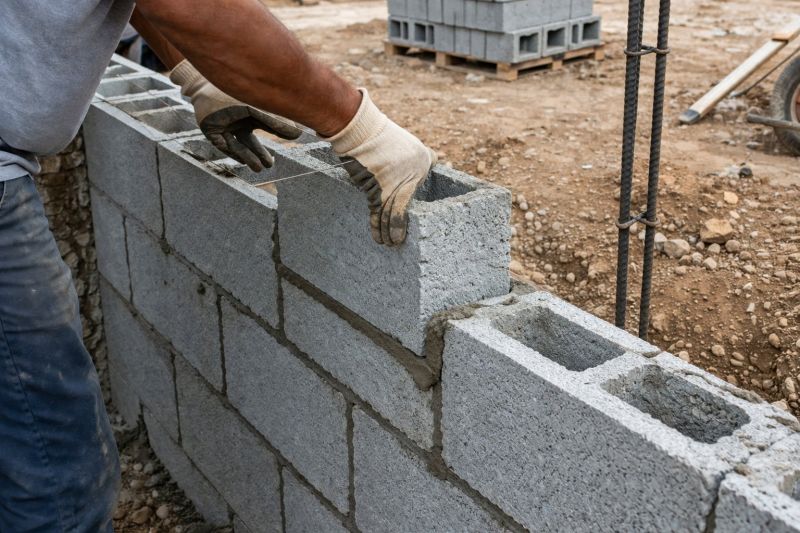
Common Applications
These walls are often used for retaining gardens, creating boundary fences, or enhancing building facades in boston neighborhoods.
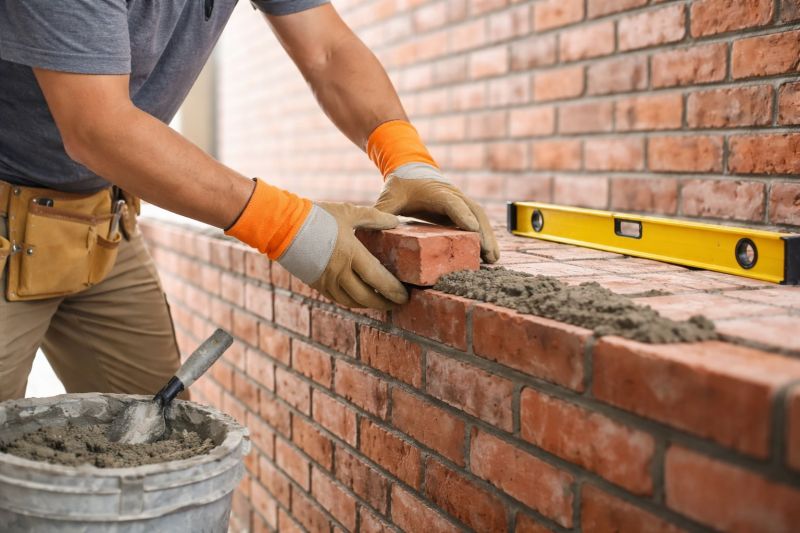
Design And Material Options
Property owners can choose from traditional or modern styles with durable materials suited for boston's climate.
Masonry Wall Installation in Boston, MA

Masonry wall installation services involve constructing durable and attractive walls using materials such as brick, stone, or concrete blocks. These projects often include building retaining walls, garden walls, boundary fences, or decorative features that enhance the property's appearance and functionality. Homeowners typically request this service when they want to define outdoor spaces, improve privacy, or add structural support to areas prone to soil movement or erosion. Understanding the different types of materials, styles, and the overall scope of the project helps property owners make informed decisions before requesting installation.
Before proceeding with masonry wall installation, property owners should consider factors such as the intended purpose of the wall, property boundaries, and local regulations or permits that may be required. It's also helpful to evaluate the landscape and soil conditions, as these can influence the choice of materials and construction methods. Clear communication about design preferences, budget, and maintenance expectations can ensure the project aligns with the property's needs and aesthetic goals. Proper planning and understanding of these elements contribute to a successful and lasting installation.
Many property owners in Boston, MA look into Masonry Wall Installation for repairs, replacements, upgrades, and appearance-related improvements.
Common Masonry Wall Installation Jobs
Masonry Wall Installation - Provides durable and attractive walls for property boundaries and decorative features.
Retaining Walls - Supports soil and prevents erosion around landscaping and garden areas.
Garden Walls - Adds privacy and aesthetic appeal to outdoor living spaces.
Boundary Walls - Defines property lines with sturdy, long-lasting construction.
Fireplace and Chimney Walls - Enhances outdoor or indoor fireplaces with solid masonry structures.
Column and Pillar Construction - Adds structural support and visual interest to landscaping features.
Masonry Wall Installation Questions
What types of masonry walls are commonly installed? Common options include retaining walls, garden walls, and boundary walls, each suited to different landscape and property needs.
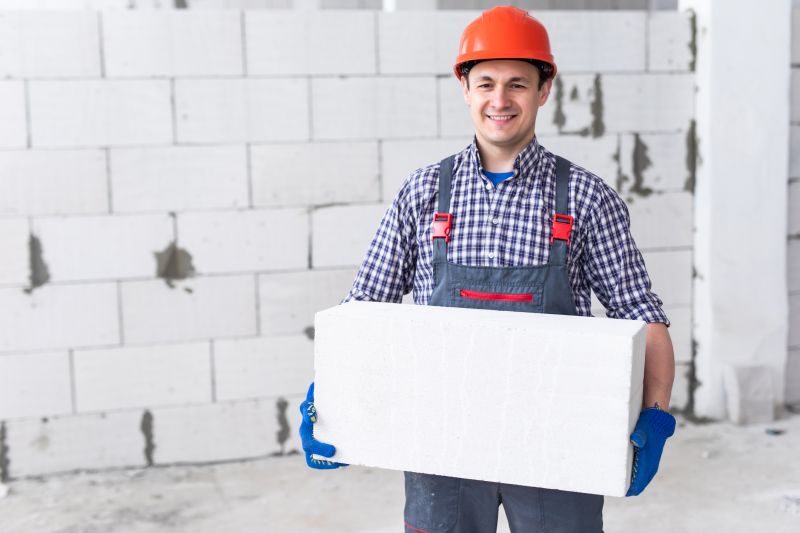
What materials are used for masonry wall installation? Typical materials include brick, concrete blocks, natural stone, and sometimes decorative veneers, depending on the project.
How should I prepare for a masonry wall installation? Property owners should clear the area, ensure proper drainage, and discuss design preferences with the contractor beforehand.
What are the benefits of masonry wall installation? Masonry walls provide durability, privacy, and aesthetic appeal, making them a practical choice for property boundaries and landscaping features.
Request Masonry Wall Installation in Boston, MA
Use the quote form on this page to share the basics of your project and request more information for the type of work you need.